

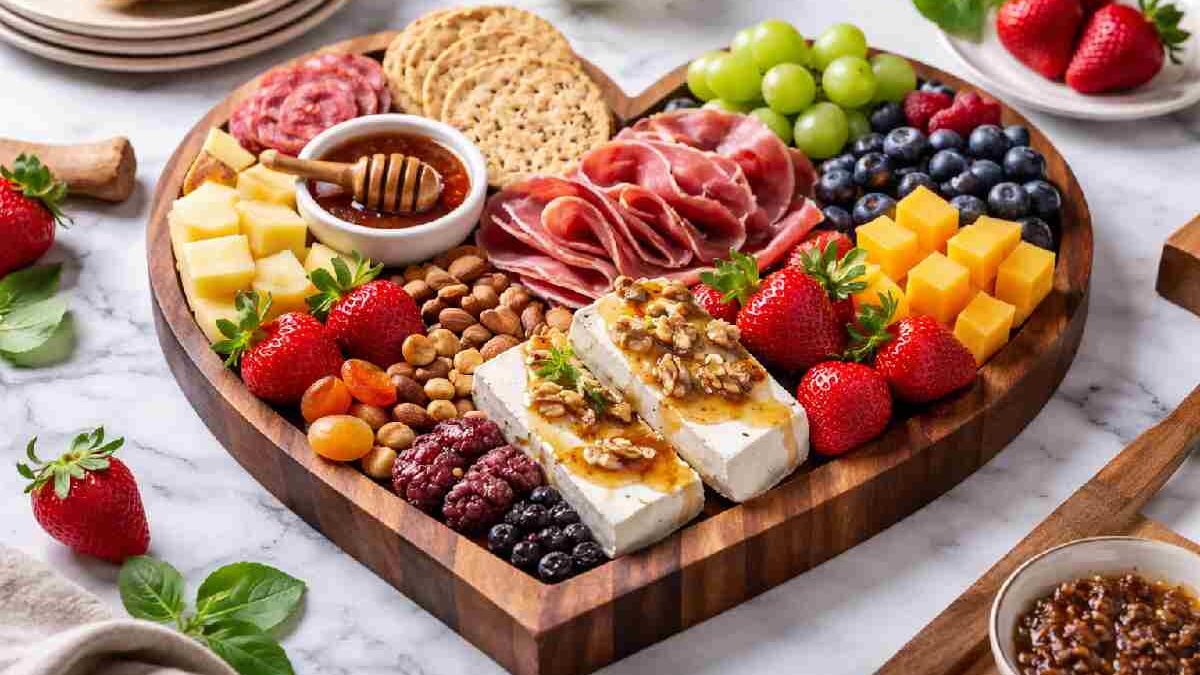
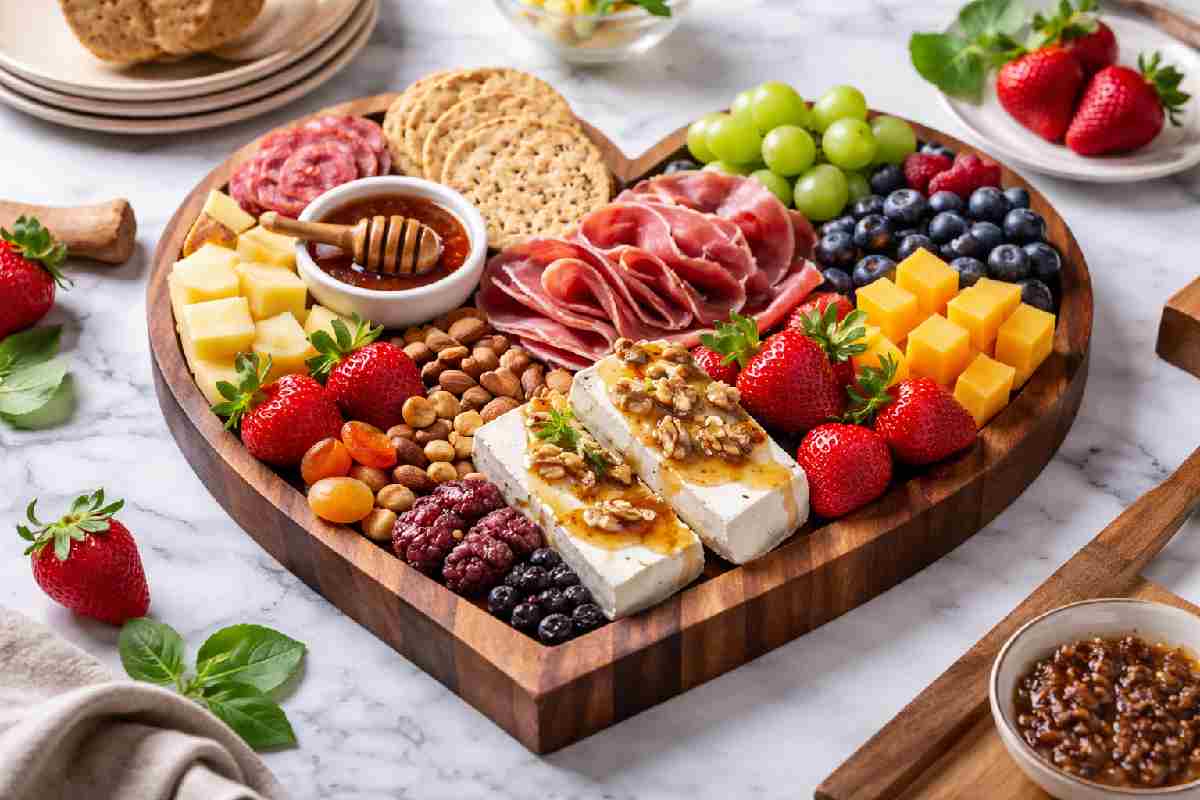
Most people shop heart-shaped charcuterie boards for looks, but the best boards balance design, material quality, and real serving usability.
That’s the problem. Heart-shaped boards are marketed as romantic centerpieces, but many are too thin, poorly finished, or made from the wrong materials to handle real food service. The agitation comes later—when the board warps, stains, or feels awkward once guests actually start serving themselves. The solution is simple: buy with function first, shape second. If you do that, you’ll end up with a board that looks good and works.
Here’s the direct answer: the best heart-shaped charcuterie boards are thick hardwood boards (not bamboo), sized for actual serving, and finished with food-safe oil—not resin or heavy coatings.
-
Not all heart-shaped boards are meant for real food service.
-
Material choice matters more than engraving or price.
-
Size determines whether a board is decorative or practical.
-
Some finishes are unsafe or impractical for long-term use.
-
The “best” board depends on how you’ll actually use it.
Why Most Heart-Shaped Charcuterie Boards Disappoint
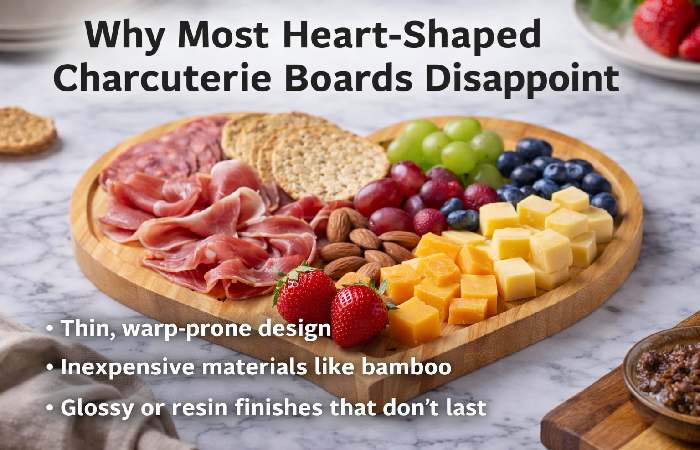
Most disappointing boards fail for predictable reasons:
-
They’re designed for photos, not food.
Shallow curves and thin profiles look nice online but limit usable space. -
Wrong materials.
Bamboo and soft woods dull knives and stain easily. -
Decorative finishes.
Resin pours and glossy coatings crack, trap moisture, and aren’t meant for repeated washing.
If you’ve ever thought, “This is cute but awkward to use,” that’s not your fault—it’s a design mismatch.
How to Choose the Right Heart-Shaped Charcuterie Board
Think of the heart shape as a constraint, not a feature. The goal is to minimize what the shape takes away from usability.
Material Comparison (What Actually Works)
| Material | Pros | Cons | Best For |
|---|---|---|---|
| Acacia | Durable, affordable, attractive grain | Can vary in hardness | Casual hosting |
| Maple | Hard, knife-friendly, food-safe | Less dramatic grain | Frequent use |
| Walnut | Premium look, gentle on knives | Higher cost | Gifting + hosting |
| Bamboo | Cheap, lightweight | Glue-heavy, dulls knives | Decorative only |
Rule of thumb: If it’s bamboo and heart-shaped, assume it’s decorative unless proven otherwise.
Size & Thickness Guidelines
Most buyers underestimate size.
-
Minimum usable size: ~10–12 inches wide
-
Ideal thickness: 0.75–1 inch
-
Under 8 inches: gift-only, not practical
-
Thin boards (<0.6 inch): prone to warping
If you want guests to actually graze, go bigger than you think.
Finish & Food Safety
Avoid:
-
Resin or epoxy food surfaces
-
Painted or lacquered finishes
Look for:
-
Mineral oil or oil + beeswax finish
-
Clearly stated food-safe treatment
These finishes are recommended by organizations like the USDA and FDA for wood food-contact surfaces, and echoed by culinary institutions such as America’s Test Kitchen.
When a Heart-Shaped Board Makes Sense (and When It Doesn’t)
Good use cases
-
Valentine’s Day spreads for 2–4 people
-
Engagement or wedding gifts
-
Small business branding displays
Bad use cases
-
Large parties
-
Knife-heavy prep work
-
Daily-use cutting boards
If you host often, pair a heart-shaped board with a rectangular serving board instead of forcing it to do everything.
Price Tiers Explained
Budget ($15–30)
-
Mostly decorative
-
Thin bamboo or soft wood
-
Fine for gifting, not serving
Mid-range ($35–70)
-
Best value zone
-
Solid hardwood, decent thickness
-
Ideal for most buyers
Premium ($80+)
-
End-grain or artisan boards
-
Better longevity and resale value
-
Worth it for gifts or brands
Decorative vs Functional Heart-Shaped Charcuterie Boards
Many shoppers assume all charcuterie boards are interchangeable, but heart-shaped designs often fall into two distinct categories.
Decorative boards are typically thin, lightweight, and made from bamboo or soft wood. They work well as Valentine’s Day gifts or display pieces but are not ideal for repeated serving.
Functional boards, on the other hand, are thicker, heavier, and made from solid hardwood. They are designed to handle moisture, frequent cleaning, and real grazing use without warping or cracking. If you plan to serve food more than once or twice, a functional board is always the better investment.
Decorative vs Functional Boards (Quick Comparison)
| Feature | Decorative Board | Functional Board |
|---|---|---|
| Thickness | Thin | Thick |
| Finish | Resin / gloss | Oil |
| Material | Bamboo / soft wood | Hardwood |
| Cleaning | Wipe only | Wash & re-oil |
| Longevity | Short-term | Long-term |
Smart Buying Tips (Do’s & Don’ts)
Do
-
Ask sellers about thickness and finish
-
Check weight (heavier usually means better wood)
-
Plan for maintenance (oil every few months)
Don’t
-
Buy solely based on engraving
-
Assume “charcuterie” means food-safe
-
Ignore return policies
(Internal link idea: detailed guide on charcuterie board care and oiling.)
Where to Shop Heart-Shaped Charcuterie Boards
-
Handmade sellers: better materials, higher variance
-
Boutique kitchen brands: consistent quality, higher prices
-
Mass marketplaces: widest selection, biggest risk
Always check:
-
Wood species
-
Thickness specs
-
Finish description
FAQs
Are heart-shaped charcuterie boards food-safe?
Yes, if they’re made from hardwood and finished with food-safe oil. Decorative resin or painted boards should not be used for direct food contact.
What size heart-shaped board is best for hosting?
For serving 2–4 people, aim for at least 10–12 inches wide and 0.75 inches thick.
Is bamboo bad for charcuterie boards?
Bamboo isn’t unsafe, but it’s glue-heavy and harder on knives, making it better for decorative use than frequent serving.
How do I maintain a heart-shaped charcuterie board?
Wash by hand, dry immediately, and re-oil every 1–2 months depending on use.
Are engraved boards still safe for food?
Yes, as long as engraving is shallow and the board is properly oiled and cleaned.
Is a heart-shaped board worth it compared to a regular board?
It’s worth it for gifting or themed occasions, but not as a primary everyday serving board.
Can I use a heart-shaped board as a cutting board?
Occasionally, yes—but it’s better used for serving, not heavy chopping.