

It always seems to happen at the worst possible moment. Orders are piling up, machines are running at full capacity, and suddenly, the production line goes quiet. Somewhere in the control system, an Allen Bradley PLC has developed a fault. The maintenance team is on alert, production targets are slipping, and nobody is particularly interested in hearing that the repair might take several days.
Sound familiar?
When industrial automation breaks down, getting a repair service can be an immediate concern. However, just going for the first one to guarantee fast delivery can cause problems. If you get a poor repair, you could face a whole host of issues that will cause delays to your shipment, another breakdown, and an awkward conversation with someone about your running costs.
How do you ensure you get a trustworthy repair service? Look past the price.
1. Experience Matters. Generic Electronics Repair Doesn’t Cut It.
An industrial PLC isn’t something you want repaired by someone who simply knows their way around a circuit board.
There are several models and types of Allen Bradley PLC systems, so it is essential that the service providers you choose are familiar with the type of system your facility is using. This could be a ControlLogix, SLC 500 or other Allen Bradley systems.
Ask about their experience with processors, power supplies, input output modules and communications. Can they diagnose faults down to the component level? A little technical questioning upfront can save considerable frustration later.
2. A PLC That Powers On Isn’t Necessarily Fixed
Here’s where things get interesting. A repaired controller might switch on perfectly and still fail when returned to an actual industrial environment. That’s why diagnostic capabilities deserve serious attention.
Reliable repair services should use appropriate testing equipment and structured procedures to identify faults before replacing components. Depending on the equipment, this may involve circuit testing tools, oscilloscopes, thermal imaging, and specialized test fixtures.
Ask the provider what happens after the repair itself. Are processor functions checked? Are communication interfaces tested? Can input/output operations be verified?
The objective is simple: establish that the equipment performs as expected before it goes back into your facility. Anything less is a gamble, and production equipment is an expensive place to gamble.
3. Read the Warranty Before You Need It
A repair estimate can look wonderful on paper. Then the same fault returns three weeks later. Not so wonderful anymore.
A clear warranty policy helps protect businesses against the possibility of recurring problems. Before approving a repair, ask how long coverage lasts and what it actually includes.
Does it cover replacement components and labor? Are there exclusions for environmental damage or improper installation? What happens if the repaired equipment develops the same fault?
You should also request written information about diagnostic charges, repair estimates, shipping costs, and situations where equipment cannot be repaired economically. Transparent policies are a good sign. Vague promises aren’t.
4. Speed Is Important, but So Is Parts Availability
Any hours lost in production will cause extra pressure on your production schedule and budgets. It’s important to know how quickly they can get your system back online.
But how quick are they? Asking about average repair times, rush repair times and spare parts availability is key. Especially if you are looking at repairing old Allen Bradley PLCs. You may need parts that are no longer available or tricky to source. If they have an existing stock, they may be able to speed up the repairs on certain equipment.
Also asking what other options they have for sourcing parts if they can’t be repaired. It’s much better to know they have an alternative option.
5. Good Communication Is Part of Good Repair Service
Technical expertise is essential, but what happens between sending equipment and receiving it back?
Can you get a straightforward explanation of the problem? Are repair estimates provided before work begins? Does the company communicate delays rather than leaving you guessing?
Look at customer reviews for feedback about responsiveness, repair quality, pricing transparency, and after-service support. A reliable provider should be willing to explain its findings without drowning customers in technical jargon. You shouldn’t have to chase someone for basic information about your own equipment.
6. Choose a Repair Partner Before the Next Breakdown
For facilities that depend on industrial automation, PLC maintenance shouldn’t begin and end with emergency repairs. By building a relationship with an experienced provider, you can increase predictability when maintaining your equipment.
Classic Automation provides industrial electronic repairs. They provide repairs for Allen Bradley PLCs including processors, I/O and communications. They offer component level diagnosis, system specific testing and 2 year repair warranty. You can view their website to see what services they can provide, pricing and ask them to assess your equipment.
The Best Time to Find a Repair Company? Before You Need One.
Nobody plans for an industrial breakdown. But businesses can certainly prepare for one. Ensure they have experience of Allen Bradley PLCs, diagnostic capabilities, clear warranty conditions, good turnaround and excellent customer service.
A quality repair service will not only get your controller working again, but help you reduce costs by ensuring you get the most out of your current equipment, reducing the need to replace parts unnecessarily. You probably have better things for your maintenance team to do!
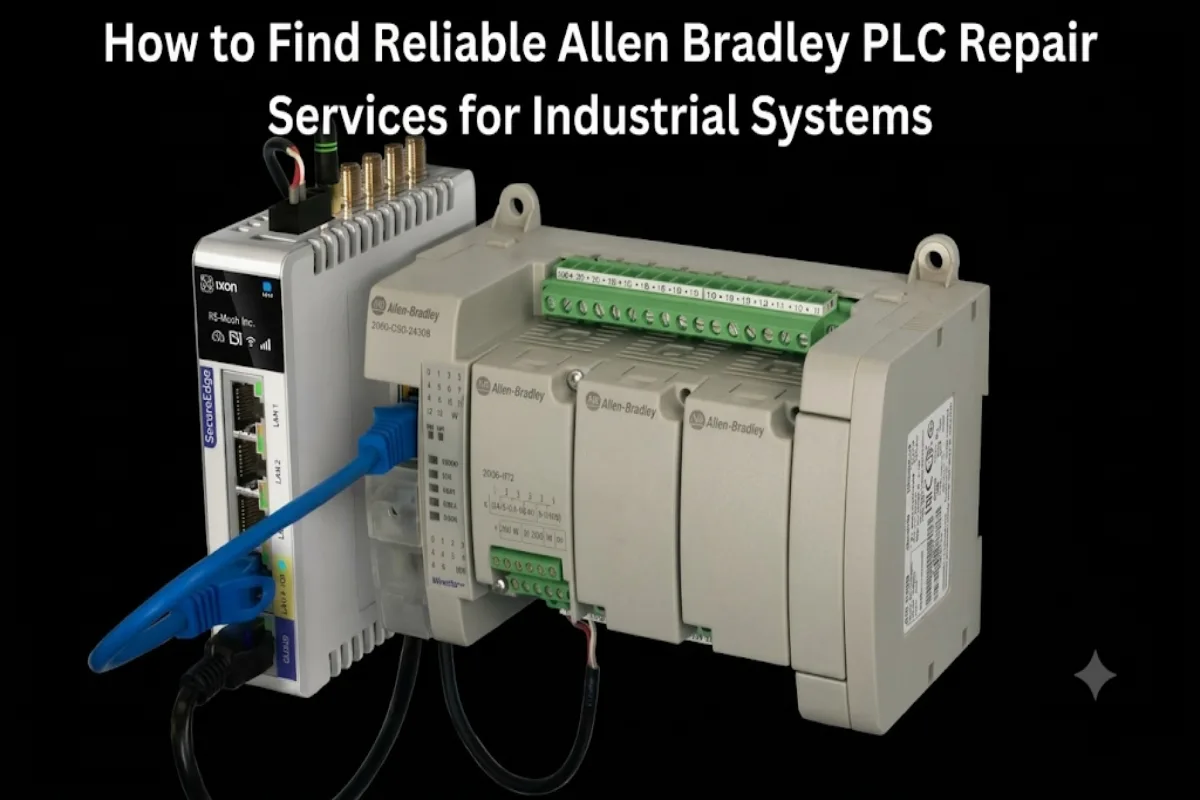
How to Find Reliable Allen Bradley PLC Repair Services for Industrial Systems