

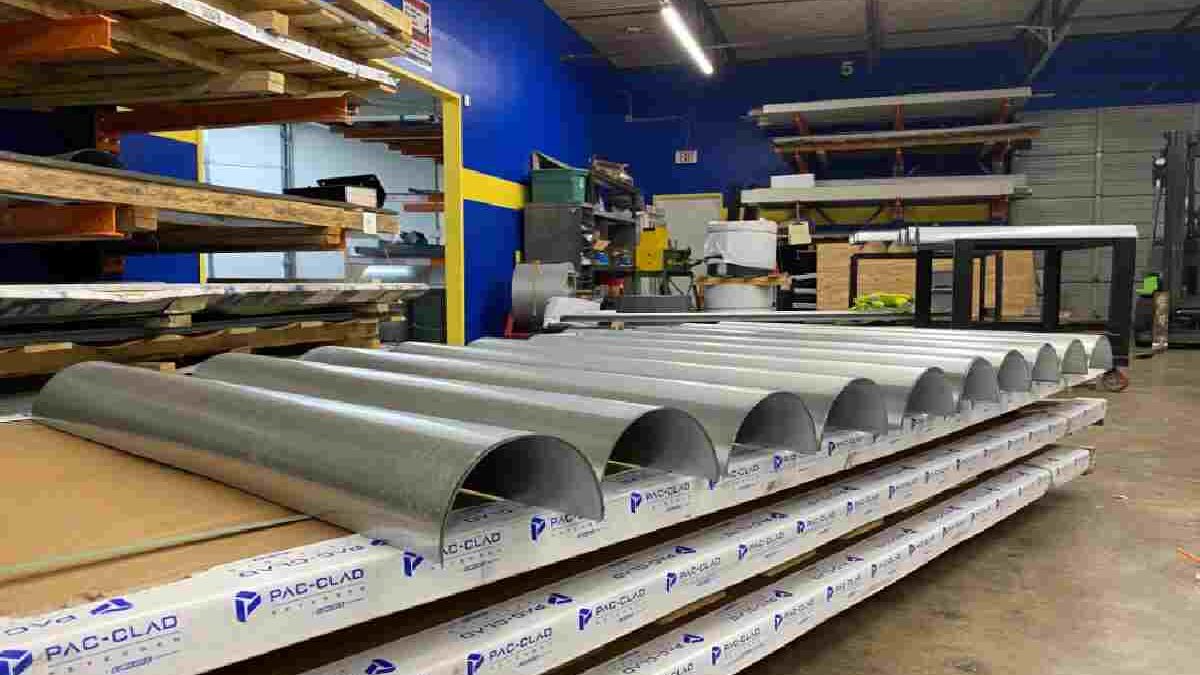
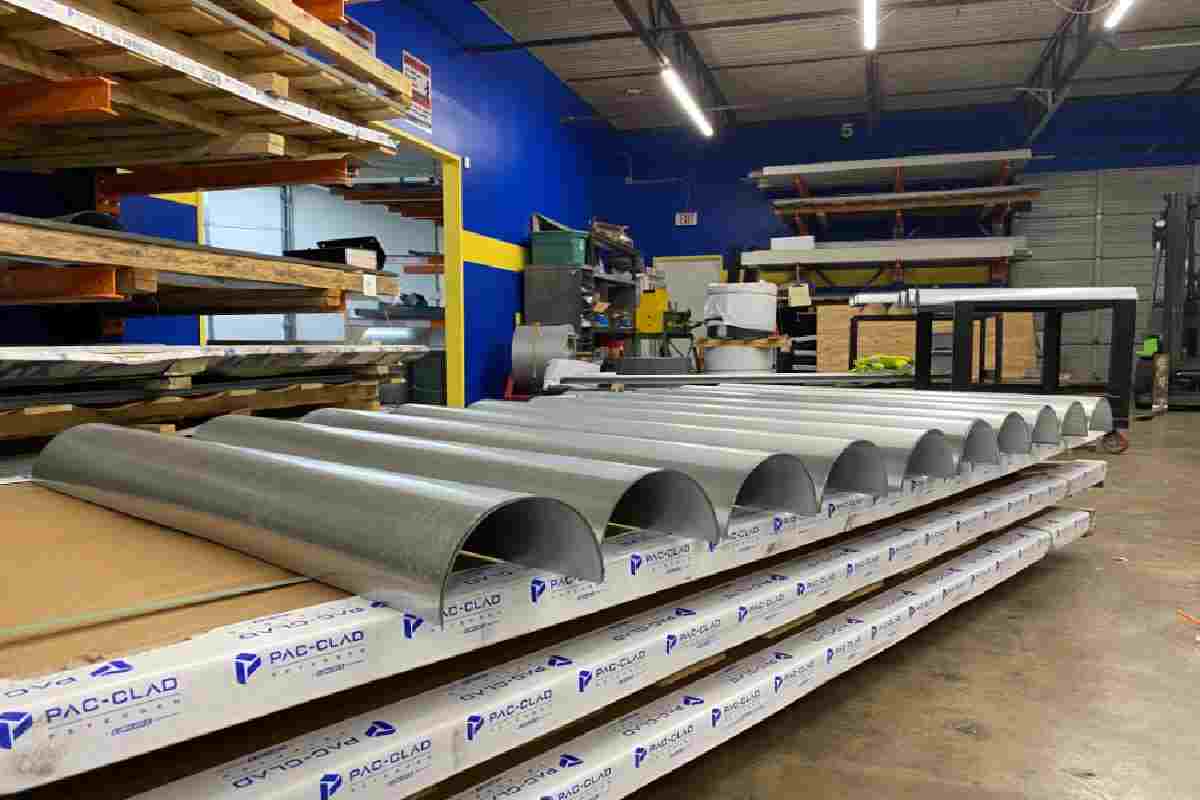
Sheet metal fabrication plays a quiet but essential role in shaping the buildings, machines, and infrastructure we rely on every day. In a fast-growing city like Fort Worth, this craft sits at the intersection of skilled labor, engineering precision, and modern technology. Whether it’s part of a skyline-defining building or a highly specialized aerospace component, sheet metal fabrication in Fort Worth continues to support a wide range of industries and innovations.
The Craft Behind the Process: Understanding Sheet Metal Fabrication
At its simplest, sheet metal fabrication is the process of turning flat sheets of metal into finished parts or structures. In practice, it’s much more than that. It combines technical planning, hands-on skill, and a deep understanding of how metal behaves under pressure, heat, and motion.
Fabrication usually involves several core steps: cutting the metal to size, shaping it through bending or forming, joining pieces together, and applying finishes if needed. These steps can be repeated or adjusted depending on whether the goal is mass production or a one-off custom build. Think of it like tailoring a suit—sometimes you’re making a standard size, and other times you’re crafting something perfectly fitted.
Sheet metal fabrication supports industries such as construction, automotive manufacturing, aerospace, energy, and HVAC. Its value lies in accuracy and consistency. When done well, the same design can be produced hundreds or thousands of times with reliable results.
Material Selection Matters
Every fabrication project starts with choosing the right material. This decision affects cost, durability, appearance, and performance.
Steel is the most commonly used option due to its strength and versatility. It works well for structural components and heavy-duty applications. Stainless steel adds corrosion resistance, making it popular for medical facilities, food processing, and architectural features.
Aluminum is lighter and naturally resistant to corrosion, which makes it a go-to choice in aerospace and transportation. Copper stands out for its electrical conductivity and is often used in wiring and electrical components. Brass, known for its warm color and ease of machining, shows up in decorative and plumbing applications.
Understanding how these metals react to cutting, bending, and welding is key. Factors like thickness, flexibility, and heat tolerance all influence how a project should be designed and fabricated.
Core Techniques Used in Sheet Metal Fabrication
While the final products vary widely, most fabrication shops rely on a common set of techniques. Each method serves a specific purpose and offers its own advantages.
Cutting and Shaping
Cutting is often the first major step. Modern shops use laser cutting or waterjet cutting for high precision, especially when designs include complex shapes or tight tolerances. These methods are efficient and reduce material waste.
Traditional approaches like shearing and punching are still widely used, particularly for straightforward or high-volume jobs. They may not offer the same level of detail, but they remain fast and cost-effective.
Once cut, the metal is shaped through bending or forming. This can involve simple angles or more complex curves. Techniques like air bending, bottom bending, and coining allow fabricators to control how sharply the metal bends and how well it holds its shape. The thickness of the metal and the bend radius both play a big role in preventing cracks or weaknesses.
Joining and Assembly
Welding brings individual pieces together to form a finished product. Different welding methods serve different needs. MIG welding is commonly used for speed and versatility, while TIG welding offers cleaner, more precise results. Resistance and laser welding are often used in automated or high-precision environments.
Automation has changed this stage dramatically. Robotic welding systems improve consistency, reduce waste, and increase output. For manufacturers in Fort Worth, these technologies help meet growing demand while maintaining quality.
How Sheet Metal Fabrication Is Used in Fort Worth
Fort Worth has a diverse industrial landscape, and sheet metal fabrication supports many of its key sectors. From landmark buildings to advanced manufacturing, metalwork is everywhere.
Architecture and Construction
In architecture, sheet metal balances form and function. It’s used for roofing, exterior panels, decorative accents, and structural supports. Modern buildings often rely on metal for its clean lines, durability, and resistance to weather.
Fabricated metal elements can be customized to fit unique designs, allowing architects to push creative boundaries without sacrificing performance. In Fort Worth, where weather conditions can be demanding, metal’s resilience adds long-term value.
Aerospace and Advanced Manufacturing
Fort Worth has a strong aerospace presence, and this industry depends heavily on precise fabrication. Aircraft components must meet strict standards for weight, strength, and safety. Even small imperfections can have serious consequences.
Lightweight metals like aluminum are carefully fabricated into fuselage panels, structural supports, and internal systems. Tight tolerances and advanced inspection processes are standard practice, making fabrication a critical part of aerospace success in the region.
Healthcare and Infrastructure
Hospitals, research facilities, and public infrastructure also rely on fabricated metal. HVAC systems, ductwork, equipment enclosures, and support structures all require careful design and execution.
Well-fabricated metal systems improve airflow, reduce energy use, and support clean, safe environments. These benefits are especially important in healthcare settings, where reliability and efficiency are non-negotiable.
Sustainability and Responsible Fabrication Practices
Sustainability is no longer a side topic—it’s part of how fabrication businesses operate. Sheet metal fabrication in Fort Worth increasingly reflects this shift.
Metal is one of the most recyclable materials available. Scrap generated during cutting and shaping can be reused, reducing waste and conserving resources. Many shops now track material usage closely to improve efficiency.
Advanced cutting technologies also help by minimizing excess material. Laser cutting, for example, allows fabricators to nest parts tightly together, leaving less scrap behind.
Energy-efficient equipment, cleaner welding processes, and compliance with green building standards all contribute to a smaller environmental footprint. As Fort Worth continues to grow, these practices support both economic development and environmental responsibility.
Choosing the Right Sheet Metal Fabrication Partner
Selecting a fabrication partner can make or break a project. The right shop doesn’t just produce parts—it acts as a collaborator.
Experience and Technical Knowledge
Look for a fabricator with proven experience in your industry. Different applications require different skills, and a shop familiar with your needs can offer valuable input early in the process.
Ask about their equipment, certifications, and quality control standards. Modern CNC machines, design software, and documented inspection processes all point to a serious commitment to quality.
Communication and Transparency
Good communication is often overlooked but incredibly important. A reliable fabricator should be clear about timelines, costs, and potential challenges. They should also be willing to explain options and suggest improvements when appropriate.
Clear estimates that outline materials, labor, finishing, and delivery help prevent surprises later. Trust builds when expectations are set upfront and consistently met.
Understanding Cost Factors in Fabrication Projects
Pricing in sheet metal fabrication depends on several variables. Material choice is one of the biggest drivers, as prices can vary widely between metals and grades.
Design complexity also matters. Simple, repeatable parts cost less to produce than highly detailed or custom designs. Additional steps like finishing, coating, or assembly add to the total.
Shipping, installation, and lead times should also be considered when budgeting. A good fabricator will help you balance performance requirements with cost-effective solutions.
Where the Industry Is Headed
The future of sheet metal fabrication is closely tied to technology. CNC systems, automation, and digital design tools continue to improve speed and accuracy. These tools reduce human error and make it easier to replicate complex designs.
Emerging materials are also shaping the industry. Advanced alloys and lightweight composites offer new possibilities but require specialized handling and equipment. As demand grows, fabricators must keep learning and adapting.
In Fort Worth, growth in aerospace, renewable energy, and advanced manufacturing points to continued demand for skilled fabrication. Shops that invest in technology, sustainability, and workforce development will be best positioned to succeed.
Final Thoughts
Sheet metal fabrication in Fort Worth is more than a behind-the-scenes process. It’s a skilled trade that supports innovation, growth, and everyday functionality across the city. From buildings and hospitals to aircraft and infrastructure, fabricated metal quietly holds everything together.
As technology advances and sustainability becomes a priority, the industry will continue to evolve. For businesses and builders alike, understanding the fabrication process and choosing the right partners ensures projects are built to last—strong, efficient, and ready for the future.