

I’ll be honest with you—when I first heard about cross-platform app development by Garage2Global, I thought it was just another tech buzzword getting thrown around. You know the type: sounds impressive at a networking event but doesn’t actually solve real problems.
Boy, was I wrong.
See, I was stuck in this frustrating cycle. My small business needed an app—like, really needed one. Our competitors had sleek mobile experiences, and we were still telling customers to “just use the mobile browser version” (which, let’s face it, nobody actually enjoys doing). But every quote I got for native app development made my stomach drop. We’re talking $100K+ to build separate apps for iOS and Android. That wasn’t happening on our budget.
Then a friend mentioned Garage2Global and their approach to cross-platform development. At first, I was skeptical. Could one codebase really work across multiple platforms without looking cheap or running like molasses?
Spoiler alert: It absolutely can.
What Actually Is Cross-Platform App Development?
Let me break this down without the tech jargon.
Traditional app development means building your app twice—once for iPhone users (iOS) and once for Android users. That’s double the time, double the developers, and yeah, double the money. Every update? You’re doing it twice. Bug fix? Twice. New feature? You guessed it—twice.
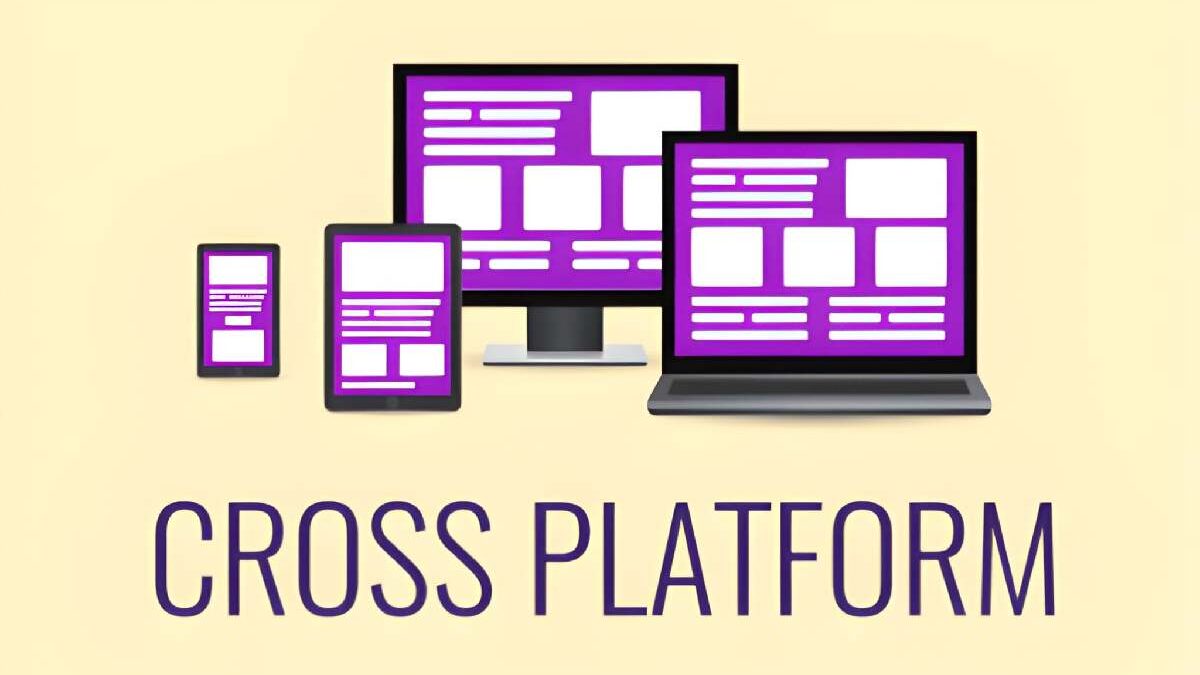
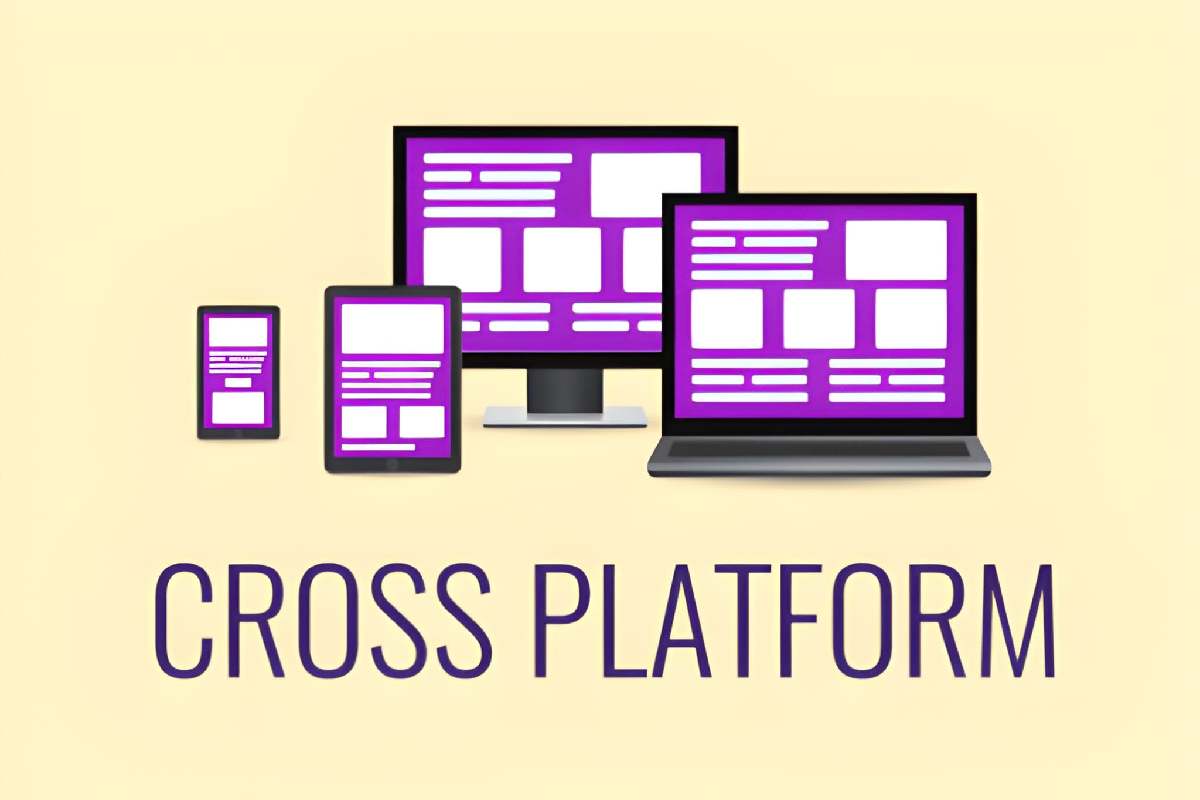
Cross-platform app development flips this whole model. You build one app using frameworks like React Native, Flutter, or Xamarin, and it runs on both iOS and Android. One codebase, multiple platforms. It’s like cooking one meal that somehow tastes perfect whether you serve it on fancy china or paper plates.
Why Garage2Global Gets Cross-Platform Development Right
Here’s where things get interesting. I’ve worked with different development teams over the years, and Garage2Global just gets it in a way most don’t.
They Actually Listen to Business Problems First
Most dev shops start talking tech stacks and frameworks before you even finish explaining what you need. Garage2Global? They asked me about my customers first. Who were they? What problems were we solving? What did our business model look like?
Turns out, understanding the business side matters way more than I realized. The technical decisions they made later—those all flowed from actually understanding what success looked like for us.
Real-World Performance That Doesn’t Suck
I’m not gonna lie, my biggest fear was building a cross-platform app that felt… off. You know those apps that look like someone just wrapped a website in app clothing? Clunky animations, weird fonts, buttons that don’t quite feel right?
The cross-platform app development by Garage2Global approach prioritizes native feel from day one. They use platform-specific UI components where it matters and shared code where it doesn’t. The result? Our iOS users think we built an iOS app. Our Android users think we built an Android app. Nobody knows it’s the same codebase underneath, and honestly, they don’t need to.
Budget-Friendly Without the Cheap Feel
Let’s talk money because that’s probably why you’re reading this.
Going cross-platform with Garage2Global cost us roughly 40% less than building native apps separately. But here’s the kicker—we didn’t sacrifice quality to get there. The app looks professional, runs smoothly, and our users genuinely like it.
That cost savings wasn’t just about the initial build either. Ongoing maintenance and updates are way cheaper when you’re managing one codebase instead of two. Our monthly retainer is literally half what it would’ve been.
The Frameworks Garage2Global Works With
Different projects need different tools. Garage2Global doesn’t force every client into the same box—they actually match the technology to your specific needs.
React Native is their go-to for most projects. It’s backed by Meta (Facebook), has a huge developer community, and lets you reuse code from web projects if you’ve got them. Plus, tons of third-party plugins exist, so you’re not reinventing the wheel every time you need a common feature.
Flutter gets recommended when performance is absolutely critical or when you want that extra polish in animations and transitions. Google built it, and it’s been gaining serious momentum. The hot reload feature during development means faster iterations too.
Xamarin comes into play for enterprise projects, especially when there’s existing Microsoft infrastructure. It integrates beautifully with Azure and other Microsoft services.
The point is, Garage2Global picks the right tool for your job, not just the framework they happen to like best.
Real Benefits I Didn’t Expect
Beyond the obvious cost and time savings, some benefits surprised me.
Faster Time to Market
We launched our app in three months. Our competitor who went the native route? They’re still developing after six months and haven’t even launched on both platforms yet. Being first to market gave us a serious advantage in capturing users.
Consistent User Experience
Every user gets the same features at the same time. No more awkward situations where iOS users have features that Android users are waiting for (or vice versa). Everyone’s on the same page, which makes support way easier too.
Easier Scaling
When we wanted to add a new feature, Garage2Global built it once and it worked everywhere. That sounds obvious, but the speed difference is remarkable. What might’ve taken 6-8 weeks with separate native teams took us 3 weeks.
Better Resource Allocation
Instead of needing separate iOS and Android developers on retainer, we’ve got one unified team. They know our codebase intimately, communicate efficiently, and can move faster because they’re not constantly context-switching between different codebases.
Common Concerns About Cross-Platform Development (And Real Answers)
I had these same worries, so let me address them straight up.
“Won’t It Be Slower?”
Modern cross-platform frameworks are seriously fast. Unless you’re building a high-performance game or something with crazy graphics processing, you won’t notice a difference. Our app handles complex data visualizations, real-time updates, and heavy API calls without breaking a sweat.
“What About Platform-Specific Features?”
This was my biggest concern. What happens when Apple or Google releases some cool new feature?
Turns out, cross-platform app development by Garage2Global includes native modules when needed. They can write platform-specific code for those special features and integrate it into the cross-platform codebase. You get the best of both worlds.
“Will It Look Generic?”
Nope. Our app follows iOS design guidelines on iPhones and Material Design on Android devices. It feels native because Garage2Global makes it native where it counts—in the UI/UX layer.
When Cross-Platform Makes Perfect Sense
Not every project needs cross-platform development, but here’s when it really shines:
- Startups and small businesses with limited budgets who still need quality apps
- MVP projects where you need to test the market quickly
- Business apps focused on functionality over cutting-edge graphics
- Content-driven apps like news, education, or e-commerce platforms
- Apps requiring frequent updates where maintaining multiple codebases would be painful
If you’re building the next console-quality mobile game or need extremely specific hardware integration, native might still be the way. But for most business applications? Cross-platform is the smart play.
The Garage2Global Development Process
Working with them was refreshingly straightforward. No bureaucracy, no endless meetings that could’ve been emails.
They started with discovery—understanding our business, our users, our goals. Then came wireframing and design, where we could see and touch the app concept before any real code got written. The development phase used agile sprints, meaning we saw progress every two weeks and could give feedback continuously.
Testing happened in parallel, not as an afterthought. They caught issues early when they were cheap and easy to fix. Then came deployment and post-launch support, which honestly might be where they shine brightest. They’re still there answering questions and making improvements months later.
Making Cross-Platform Work for Your Business
If you’re considering going this route, here’s my advice from someone who’s been there:
Start with strategy, not features. Figure out what problem you’re actually solving before you think about fancy bells and whistles. Garage2Global helped us cut our initial feature list by 30%, and honestly, the app was better for it.
Invest in good design upfront. Cross-platform doesn’t mean one-size-fits-all design. Platform-specific touches make a huge difference in user adoption.
Plan for iteration. Your first version won’t be perfect. Build something good, launch it, gather data, and improve. Cross-platform development makes this cycle way more affordable.
Choose experienced partners. The framework matters way less than the team building your app. Garage2Global’s experience shows in every interaction—they’ve solved the problems you’re about to face.
The Bottom Line on Cross-Platform App Development by Garage2Global
Look, I’m not getting paid to write this. I’m sharing this because finding Garage2Global genuinely solved a massive problem for my business.
We got a professional app that works beautifully on both major platforms, at a price that didn’t require us to take on investors or drain our savings. We launched faster than our competitors and we’re iterating quicker. Our users are happy, our team is happy, and our bottom line is definitely happy.
Cross-platform app development by Garage
2Global isn’t just a cost-saving measure—it’s a smart business strategy that lets smaller teams compete with bigger players. In today’s market, where having a mobile presence isn’t optional anymore, finding a way to do it right without breaking the bank is pretty much essential.
If you’re sitting on the fence about building an app because the traditional quotes seem insane, or you’ve been putting it off because managing two separate codebases sounds like a nightmare, I’d seriously recommend having a conversation with them. At minimum, you’ll learn something. At best, you might find the solution that finally makes your app idea actually happen.
Also Read : https://www.justtechweb.com/sinknews-com