

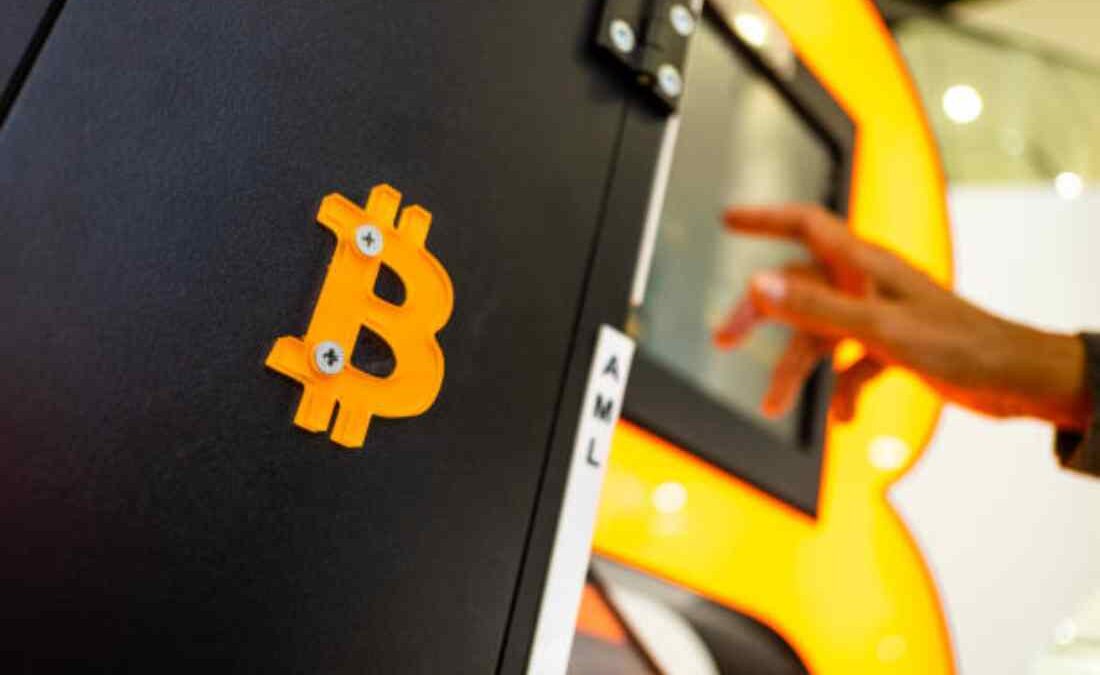
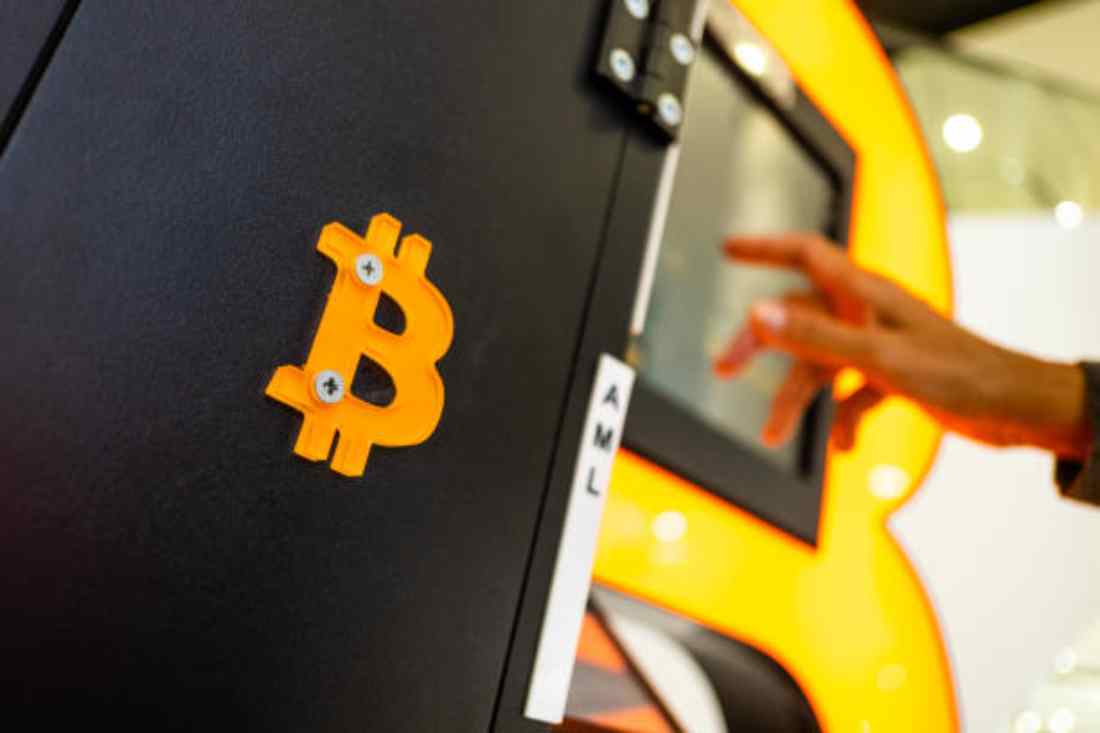
For all the talk about crypto being “for everyone,” not everyone has the same entry point. Especially not when that entry point involves a physical machine.
Bitcoin ATMs near me—that search looks wildly different depending on who you are, where you are, and what your daily life looks like. For some, it’s a five-minute walk. For others? It’s an hour-long bus ride, a curb they can’t get over, or a screen they can’t see.
And that’s the part of crypto adoption people often forget: accessibility isn’t just digital.
More Than Just a Location on a Map
Finding Bitcoin ATMs near me used to be a novelty. Now, it’s a necessity for many who prefer cash-to-crypto transactions. But here’s the catch: just because there’s a dot on the map doesn’t mean that ATM is accessible.
Accessibility isn’t just about geography. It’s also about:
- Physical access (ramps, automatic doors, indoor/outdoor placement)
- Hours of operation (especially for those working late shifts)
- Language settings (not everyone reads English fluently)
- Interface design (large fonts, audio support, clear prompts)
Put simply: if someone can’t physically reach or use a Bitcoin ATM, that location may as well not exist for them.
Why Physical Accessibility Still Matters in a Digital-First Economy
Sure, crypto is digital. But onboarding often isn’t. Many users still rely on ATMs for:
- Exchanging cash for Bitcoin (especially underbanked communities)
- Avoiding online exchanges that require lengthy verifications
- Fast access without waiting for bank wires or app approvals
This is especially true in neighborhoods where traditional banking is scarce—or where mistrust of financial institutions runs deep.
So what happens when someone sees “Bitcoin ATMs near me,” but all of them are in locations with stairs, no signage, or operating hours that don’t align with their schedule? They’re effectively locked out of the system crypto promised to open.
Designing for Inclusion: What ATMs Could (and Should) Do Better
Let’s be blunt: most ATMs were designed for average-height, able-bodied, tech-literate adults. That leaves out a lot of people.
Want to make Bitcoin truly accessible? Here’s what more ATMs should offer:
- ADA-compliant placement: curb-height machines, wide clearance for wheelchairs, tactile feedback buttons
- Multilingual support: for users who may not speak English as a first language
- Text-to-speech or audio options: crucial for the visually impaired
- Large font size modes: for aging populations or low vision
- Extended hours or 24/7 locations: for people working non-traditional jobs
Accessibility isn’t charity. It’s usability. And usability drives adoption.
The Hidden Costs of Poor Access
There’s an economic ripple effect when machines aren’t accessible.
If someone has to take two buses, navigate an unfamiliar neighborhood, or ask for help just to use an ATM, they’re less likely to use it again. Worse, they may default to unsafe or informal crypto exchanges with higher risk.
Financial inclusion fails quietly when convenience is designed for the few.
Making It Easier Starts With Smarter Discovery
There’s a silver lining here. Some platforms now allow users to search for ATMs that match accessibility preferences—like 24/7 availability, street-level access, or language support.
If you’ve ever typed Bitcoin ATMs near me and ended up in front of a locked door or inaccessible location, bookmarking that tool might save you next time.
Crypto’s Not Equal Until Access Is
The promise of Bitcoin is freedom. Financial autonomy. But that starts with access—physical, cultural, and technological. And for now, access is still uneven.
The next time someone asks, “Where can I find Bitcoin ATMs near me?”—the real answer shouldn’t depend on whether they walk, roll, or speak English fluently. It should be: anywhere, anytime, easily.
Because until we build that kind of crypto ecosystem, the revolution’s only halfway finished.
